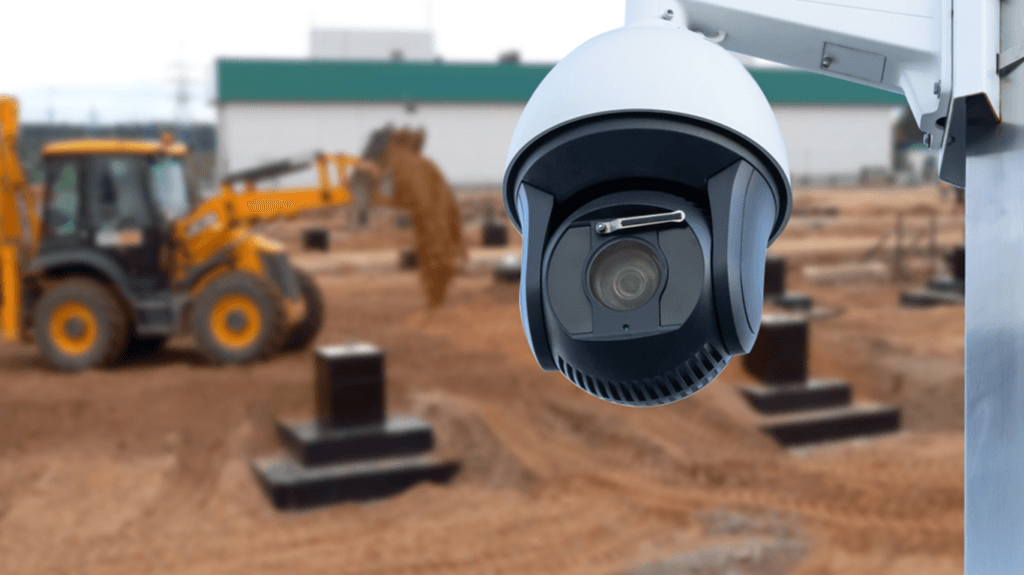
Construction sites are huge investments. We’re talking millions in equipment, materials, and labor just sitting there, often completely unprotected for hours or days at a time. The answer? Modern video surveillance that actually works around the clock to keep everything safe.
Let’s dig into how this technology is changing the game for construction security and keeping projects on track.
Why Construction Sites Are Different
Construction sites face security challenges that other businesses just don’t deal with. Think about a retail store or office building. They stay pretty much the same day to day. But a construction site? The layout changes constantly. Access points shift around. You’re often working in areas that are remote or not fully developed yet. Everything valuable is portable. And the site sits empty every night, all weekend, and during holidays.
Traditional security just doesn’t cut it anymore. Video surveillance has become absolutely essential if you want to protect what you’ve invested.
What Theft Really Costs You
The construction industry loses billions to theft every single year. But here’s what people don’t always realize: when equipment disappears, you’re not just out the replacement cost.
Your project grinds to a halt while you wait for new equipment. Your insurance premiums shoot up after you file claims. Everyone’s productivity tanks because workflows get disrupted. Worker morale takes a hit. And you might face penalties for missing deadlines.
A solid surveillance system stops theft before it happens and gives you clear evidence when something does go wrong.
How Modern Systems Actually Work
Today’s surveillance systems are nothing like those grainy old cameras you remember. We’re talking crystal clear footage, smart monitoring, and features that actively protect instead of just recording.
The video quality is incredible. Modern cameras shoot in 1080p, 4K, or even higher. You can identify people from way across the site. License plates and serial numbers? Easy to read. And when you need to give evidence to police, it’s actually useful.
They work in total darkness. Night vision and thermal imaging mean your site stays protected 24/7. These cameras see in complete darkness just as well as broad daylight.
They’re built tough. Construction sites are brutal environments. Good cameras handle temperatures from negative 40 to 140 degrees. Rain, snow, dust, debris, vibrations from heavy equipment… they keep working through all of it.
Live Monitoring Changes Everything
Recording footage is great for investigations after something happens. But live video monitoring? That’s where things get really interesting. You can actually stop problems as they’re happening.
These systems alert your security team the second something suspicious goes down. Someone’s climbing the fence at 2 AM? You know immediately. Vehicle that shouldn’t be there? Alert. People hanging around expensive equipment? You get notified.
Your security team can watch multiple sites at once from one central location. They can talk to intruders through two way speakers. Call the cops right away. Guide on site security to exactly where the problem is.
And here’s the cool part: the AI is smart enough to tell the difference between real threats and random stuff like animals or debris blowing around. No more false alarms wasting everyone’s time.
What Makes a System Actually Work
Not all surveillance is created equal. Here’s what matters for construction:
Portability is huge. Your site changes constantly, so your cameras need to move easily. Mobile towers that relocate as work progresses. Solar powered units for sites without power. Wireless connectivity through cellular networks. Systems you can deploy in hours instead of days.
Cloud storage saves you. Everything gets backed up offsite where nobody can steal or destroy it. Access your footage from anywhere on your phone, tablet, or computer. Automatic redundancy means you never lose important recordings. Storage scales up as you need it without buying more hardware.
AI does real work. We’re not talking gimmicks here. These systems count workers and vehicles coming and going. Monitor where equipment is and how it’s being used. Create time lapse videos of progress. Even detect safety violations before accidents happen.
Integration matters. The best systems connect with your access control, alarm systems, motion sensors, and automatic lighting. Some even link to your project management software.
Managing Multiple Sites Gets Easier
If you’re running several projects at once, remote monitoring is a game changer.
One security center can watch cameras across dozens of active sites. You get consistent security everywhere. Resources go where they’re needed most. Response coordination is way better. And the reporting helps you improve over time.
Plus it saves serious money. You don’t need full time security at every single location. Insurance premiums drop when you show you’re serious about security. You prevent theft and vandalism that would blow your budget. Project delays from security issues basically disappear.
As your company grows, the system grows with you. Adding new sites is simple, no massive infrastructure needed.
Setting Things Up Right
You can’t just throw cameras everywhere and hope it works. You need a real plan.
Start with a thorough assessment. Walk the site and map out entry and exit points. Find where you’re storing expensive equipment. Look for blind spots where someone could work unnoticed. Check lighting conditions. Figure out what power and connectivity you have available.
Place cameras strategically. Cover every entrance and exit. Watch equipment storage areas. Monitor material stockpiles. Get views of the whole perimeter. Eliminate hiding spots. Think like an intruder to find weak points.
Match technology to your needs. Big commercial projects might need dozens of cameras covering everything. Small residential sites work fine with a few mobile units. Remote locations love solar powered cellular cameras. Long term projects can justify better permanent infrastructure.
Work with pros who know construction. Good providers do security assessments based on real experience. They install everything properly from day one. Keep systems maintained and running smooth. Provide support any time you need it. Even coordinate with local police for faster emergency response.
The Money Makes Sense
Yes, surveillance costs money upfront. But the return is massive. One prevented equipment theft can pay for an entire year of service.
A single excavator costs $100,000 to $500,000. Copper wire theft hits tens of thousands. Tool theft crushes productivity and morale.
Insurance companies give you 10 to 25 percent discounts for professional surveillance. Some won’t even cover high value projects without it.
The footage protects you from bogus injury claims, property damage disputes with neighbors, workers comp fraud, and arguments about what work got done.
Beyond security, you get great project documentation. Time lapse videos for marketing. Progress verification for billing. Visual evidence for contractor disputes. Training material from real projects.
Legal Stuff You Need to Know
Privacy laws vary by location, so stay on top of requirements. Post signs that surveillance is active. Know the rules about audio recording in your state. Have clear policies about data retention and who can access footage.
Protect your recordings with encryption. Control who can view footage. Run regular security audits. Follow industry data protection standards.
Where Technology Is Headed
The future looks amazing. AI is getting smart enough to predict threats by spotting patterns. Systems report safety violations automatically. People and object recognition goes way beyond simple motion detection. Integration with building information modeling gives you complete oversight.
Some systems now use drones for aerial inspections, expanded coverage of huge sites, rapid threat response, and progress documentation from angles ground cameras can’t get.
Everything’s connecting through the Internet of Things. Environmental monitoring for worker safety. Equipment health checks before breakdowns happen. Worker location tracking to prevent accidents. Energy efficiency monitoring across your whole operation.
Picking the Right Provider
Look for companies that really understand construction. They know how to handle phased deployments as projects evolve. They’ve dealt with harsh conditions and temporary infrastructure. They understand construction regulations.
You want the latest technology. High def cameras with smart analytics. Cloud platforms with mobile access. Integration with your existing systems. Regular updates as new features roll out.
Make sure they provide solid support. Monitoring and technical help around the clock. Fast response when something breaks. Regular maintenance. Training for your team.
Ask for case studies and references from similar projects. Talk to other contractors about their experiences.
Bottom Line
In construction, time is money and assets are valuable. Video surveillance isn’t optional anymore. It’s an essential tool for protecting your investment.
Whether you’re building a small house or a massive commercial development, there’s a solution that fits your needs, budget, and timeline. The technology keeps getting more affordable and easier to use.
The real question isn’t whether you can afford surveillance. It’s whether you can afford to go without it. With the right cameras and professional monitoring, you can focus on what actually matters: finishing quality projects on time and on budget while keeping workers safe and assets protected.
Ready to secure your site? Get a professional to assess your specific situation and design a solution that actually works for you. Investing in security today prevents way bigger losses tomorrow.
FAQ
Frequently asked questions
A virtual assistant is a remote professional who handles tasks that don’t necessarily need to be done by you. They can manage emails, schedule meetings, handle customer inquiries, manage social media, bookkeeping, project coordination, and other administrative work to free up your time for high-impact activities.
- Crystal Clear High Definition Video Surveillance
- Seamless Real Time Remote Monitoring
- Expansive Wide Angle Security Coverage
Construction sites change constantly, operate in remote or unprotected areas, and contain high-value equipment and materials. Surveillance helps prevent theft, vandalism, safety incidents, and project delays by giving you real-time visibility and evidence when something goes wrong.
Modern systems offer high-definition video, night vision, thermal imaging, AI-powered alerts, cloud storage, and rugged hardware built for harsh environments. They don’t just record—they actively detect and prevent security issues around the clock.
Yes. With live monitoring and smart alerts, security teams are notified instantly when something suspicious occurs. They can intervene through two-way audio, contact authorities, or guide on-site teams to respond immediately, preventing theft or damage before it escalates.
Key factors include portability for shifting jobsite layouts, wireless or solar-powered options, cloud backup, AI analytics, integration with alarms and access control, and rugged weatherproof hardware. Professional installation and monitoring also make a major difference.
Absolutely. Systems help track progress, create time-lapse videos, verify work for billing, support safety compliance, resolve contractor disputes, lower insurance premiums, and provide documentation for claims. Many companies find the ROI far outweighs the upfront cost.