Picking a security system feels like a huge decision, right? You’re trying to protect everything you’ve worked for, but half the websites out there sound like they were written by robots. And the sales guys? They love throwing around technical terms that leave you more confused than when you started.
So let’s just talk about this like regular people. No BS, no confusing jargon. Just straight answers about what alarm monitoring actually does and how to pick a company that won’t let you down.
What’s Alarm Monitoring, Really?
Here’s the simplest way to think about it: you know how stores have security guards? Alarm monitoring is like having that guard watching your place 24/7, except they’re doing it remotely from a monitoring station.
Something goes wrong at your property, a sensor picks it up, and bam, a real human being gets notified instantly. Not a robot. Not an automated system. An actual person who looks at what’s happening and decides whether to send help.
Without monitoring, your alarm is just making noise. And sure, maybe that scares someone off. But if you’re at work? On vacation? Sound asleep at 3 AM? That noise doesn’t do you much good. Nobody’s calling the fire department. Nobody’s dispatching police. It’s just… noise.
That’s why security alarm monitoring exists. It’s the difference between having a loud siren and having someone actually watching your back. Fire alarm monitoring services work the same way, except they’re specifically watching for smoke, heat, and sprinkler alerts instead of break-ins.
Why You Should Care About Fire Alarm Monitoring
Let’s talk about fires for a second, because this one’s important.
Fires don’t wait around. They spread fast, and they’re absolutely terrifying when they start. A monitored fire alarm system does way more than just beep at you. The second it detects smoke, it’s already alerting trained operators who can get firefighters rolling before you even wake up.
Regular smoke detectors? They’re fine if you’re home and awake. But what about when you’re not? Your fire alarm monitoring service is still on the job. House empty for a week while you’re on vacation? They’ve got you covered. Everyone crashed out at 2 AM? They’re watching.
And here’s something cool about modern fire alarm monitoring systems. They don’t rely on just one way to communicate. They’ll use your internet, cellular connection, even old fashioned phone lines. So if your internet goes down, no problem. The signal still gets through.
How This Whole Monitoring Thing Actually Works
The setup’s pretty straightforward once you understand it.
Your alarm monitoring system is wired to a central station. Not some computer program, an actual facility where people work in shifts around the clock. When your alarm trips, it sends a signal to them immediately.
These operators aren’t just sitting there answering phones. A good alarm security monitoring service is constantly checking your system’s health, making sure nobody’s tampering with it, logging every little thing that happens. You need those records for insurance later? They’ve got them.
The best alarm monitoring services go overboard with redundancy. Multiple power sources. Backup computer systems. Sometimes even multiple physical locations in case one facility has problems. They know you’re counting on them during actual emergencies, so they don’t mess around.
What Goes Down When Your Alarm Triggers
Let me walk you through what really happens.
Say it’s 2 AM. Someone smashes your back window. Your alarm goes absolutely crazy. Within seconds, a signal reaches the monitoring center. An operator pulls up your account on their screen. They see your name, your address, what type of alarm just went off, the whole deal.
First thing they do? Call you. They’ll ask for your password, the one you set up when you signed on. This is them making sure it’s not you stumbling around drunk who forgot to disarm the system.
You don’t answer? Can’t give them the right password? They’re not messing around. They assume it’s real and they’re calling the cops right now.
Here’s what most people don’t know about alarm monitoring with emergency response: the operators don’t just dial 911 and bounce. They stay involved. They tell the dispatcher exactly where you are, what’s happening, whether you have a gate code they need, if you’ve got dogs in the yard. They keep trying to reach you the whole time until everything’s handled.
That’s the difference between professional monitoring and just hoping your neighbor hears the alarm.
Why Response Time Actually Matters
You hear “alarm monitoring response time” and you might think it just means how fast someone answers. But there’s more layers to it.
Good monitoring companies answer incoming alarms in 30 to 90 seconds. The really good ones? They’re consistently under 45 seconds. That’s from when your alarm trips to when 911 gets the call.
Now, after that, you’re at the mercy of your local police or fire department. How fast they respond depends on a bunch of factors. Where you live. What else is happening that night. How serious the emergency seems.
But getting that initial call to emergency services in under a minute? When your house is getting broken into or there’s a fire starting? Those seconds can literally save lives or prevent thousands in property damage.
The New Stuff: Remote Alarm Monitoring
Remote alarm monitoring solutions have honestly changed everything in the past few years.
You get the same professional monitoring as always, but now you’re also getting alerts on your phone in real time. You’re not sitting there wondering what’s happening at your property. You know.
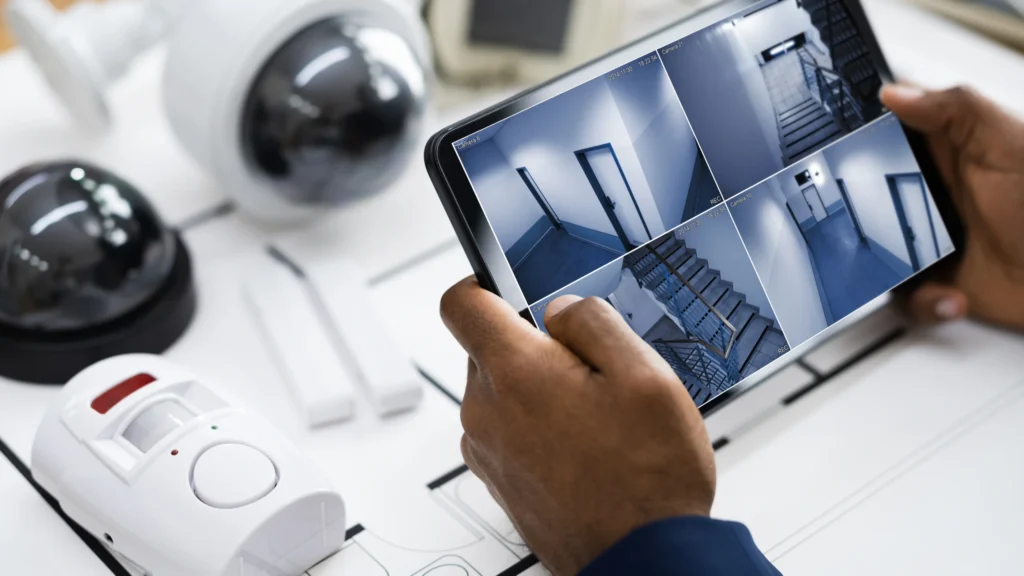
The game changer is video verification. Operators can actually pull up your security cameras and see what’s going on before they send police. This stops a ton of false alarms, and you get actual video evidence if something did happen.
Plus, you control everything from your phone now. Forgot to arm the system when you left? Do it from your car. Need to let someone in? Disarm it remotely. Want to check if you remembered to set it before bed? Open the app. Once you get used to it, you’ll wonder how you lived without it.
Actually Choosing an Alarm Monitoring Service (The Hard Part)
Okay, this is where everybody gets stuck. You’ve got hundreds of alarm monitoring companies all saying they’re the best, the fastest, the cheapest. How do you actually pick?
Start with certifications. UL listing and TMA Five Diamond certification aren’t just marketing. They mean the company gets regularly audited and meets strict standards. It’s like a restaurant health rating. If they don’t have it, that should raise questions.
But here are the real questions you need to ask before you sign anything:
How many monitoring centers do they have? You want at least two. If their only facility has a problem, you’re out of luck.
What happens if your internet goes down? They better have cellular or phone line backup. All your connections shouldn’t rely on one method.
Walk me through your verification process. Make them explain exactly what happens when your alarm goes off. If they can’t explain it clearly, that’s a red flag.
What’s actually in this contract? Cancellation fees, monthly costs, charges for service calls. Some companies hide all kinds of extra fees in the fine print. Read it.
Can I actually reach someone when I need help? Test their customer service before you commit. Call them with a question. See how long you’re on hold. See if they’re helpful.
How’s your relationship with local emergency services? Companies that have been around a while usually have better connections with local police and fire departments. That can mean faster response.
Keeping Your System Actually Working
Best practices for alarm systems aren’t rocket science, but you’d be surprised how many people skip the basics.
First, get it professionally installed. I know those DIY systems look tempting, and they’re cheaper upfront. But a professional knows exactly where every sensor needs to go. They’ll spot coverage gaps you’d never think of.
Now here’s where people really drop the ball: maintenance. It’s boring, I get it. But change those sensor batteries every single year. Test your backup battery every few months. Clean your smoke detectors at least twice a year. Some alarm monitoring companies include maintenance packages. Take them up on it.
Make absolutely sure everyone in your house knows how to work the system. Your kid coming home from school shouldn’t set off the alarm because nobody showed them how to disarm it. And have a real conversation about what to do in an actual emergency.
Oh, and tell your monitoring company when things change. New dog? They need to know so they can adjust sensitivity on motion sensors. Remodeling and adding a door? Update them. Changed your phone number? Definitely update them.
How to Test Your System (Do This Monthly)
You need to know how to test your alarm system. And you really should do it every month.
First step: call your alarm monitoring service and tell them you’re testing. They’ll flip your account into test mode. This is crucial. Skip this and you’ll have cops showing up at your door wondering why you’re opening windows and walking around triggering sensors.
Then just go through each sensor systematically. Open every door and window that’s protected. Walk through areas with motion detectors. Hit the test button on smoke alarms. Pretty simple.
The monitoring center should confirm they’re receiving every single signal. Something doesn’t report in? Figure it out immediately. Usually it’s just a dead battery or a sensor that got bumped loose.
For fire alarm monitoring specifically, use the test button on your smoke detectors. And make sure the signal’s getting through on all your backup paths, not just your primary connection.
Get a professional to inspect everything once a year too. They’ll catch stuff you’d never notice. Sensors wearing out. Technology getting outdated. Spots that aren’t covered as well as they should be.
The False Alarm Thing (It’s More Serious Than You Think)
Real talk: reducing false alarms is important. And not just because they’re embarrassing.
Send police to your house enough times for nothing, and you’re getting fined. Most cities have ordinances about this now, and the fines go up each time. Even worse, if you’re the boy who cried wolf, police might not rush when you actually need them.
Most false alarms are just mistakes. Someone forgets the code. A door doesn’t close all the way. The cat jumps on something. Batteries start dying and the system acts weird.
Prevention is pretty straightforward: train everyone properly. Got pets? Get motion detectors specifically designed to ignore animals up to a certain weight. Change batteries before they’re actually dead. Make sure doors and windows latch properly before you arm the system.
Look up your local false alarm laws too. Your alarm monitoring company should help you understand the rules and stay compliant. Trust me, you don’t want those escalating fines.
Why 24 Hour Monitoring Is Actually Worth It
Here’s what 24 hour monitored alarm service really gives you: somebody’s always watching who actually knows what to do.
Unmonitored systems? You’re relying on you or maybe your neighbors to notice something’s wrong and call for help. With professional monitoring, trained operators are ready to respond instantly.
Think about when you’re most vulnerable. Dead asleep in the middle of the night. Gone for two weeks on vacation. Your business sitting empty after closing time. Criminals specifically target these times because usually nobody’s paying attention. But your monitoring company is.
There’s also this practical thing people forget: documentation. When something happens, your monitored alarm system creates a detailed record of everything. Insurance companies love this. Your claim gets processed faster, you face less questioning, and you have proof of what actually went down.
Picking Your Monitoring Company (For Real This Time)
Your choice of alarm monitoring company legitimately matters. Companies that have been doing this for decades have better infrastructure, more experienced operators, and stronger relationships with local emergency services.
Check their financial stability if you can. You’re potentially signing a multi-year contract. You need to trust they’ll still be operating when you actually need them. Look for reviews that specifically mention how they handled real emergencies, not just how the sales process went.
Ask how they train their operators. Quality professional alarm monitoring services invest serious money in ongoing staff development. Their people need to stay calm when someone’s panicking on the phone and know exactly what to do in every type of emergency.
Making Your Final Call
Setting up an alarm security monitoring service is honestly one of the smartest moves you can make for protecting your property and the people who matter to you.
The equipment alone is just equipment. What makes it actually work is having trained professionals watching that equipment and ready to respond instantly.
Whether you’re protecting a commercial building with full fire alarm monitoring services or you just want your family to sleep better, professional monitoring transforms your security system from passive equipment into active protection.
Don’t rush this. Take your time, research a few different companies, compare what they actually provide versus what they promise in marketing. Pick something that fits your real security needs and your actual budget.
A good alarm monitoring service isn’t just a vendor. They become your long term partner in keeping your property safe.
Bottom line: the best security setup is one that’s installed right, maintained regularly, and monitored by people who treat your emergency like it’s their own. Get those pieces in place, and you’ve built real layers of protection that work together to keep you safe and make sure help’s on the way fast when every second counts.
FAQ
Frequently asked questions
A virtual assistant is a remote professional who handles tasks that don’t necessarily need to be done by you. They can manage emails, schedule meetings, handle customer inquiries, manage social media, bookkeeping, project coordination, and other administrative work to free up your time for high-impact activities.
- Crystal Clear High Definition Video Surveillance
- Seamless Real Time Remote Monitoring
- Expansive Wide Angle Security Coverage
A loud siren might scare someone off, but it doesn’t call for help. A monitored alarm system ensures trained professionals respond immediately, verify the threat, and contact police or fire services—even when you’re asleep, away, or unreachable.
Top alarm monitoring services respond within 30–90 seconds, with the best averaging under 45 seconds from alarm trigger to emergency dispatch. That speed can prevent major property damage or even save lives.
Reliable alarm monitoring services use multiple communication paths cellular, phone lines, and battery backups so your system keeps working even during outages. If a company relies on only one connection, that’s a red flag.
They use verification steps like calling you first, requiring passcodes, and in some cases video verification. Proper system setup, regular maintenance, and user training also play a huge role in preventing costly false alarms.
Look for UL listing and TMA Five Diamond certification, multiple monitoring centers, fast response times, transparent contracts, strong customer support, and a proven track record handling real emergencies—not just sales calls.