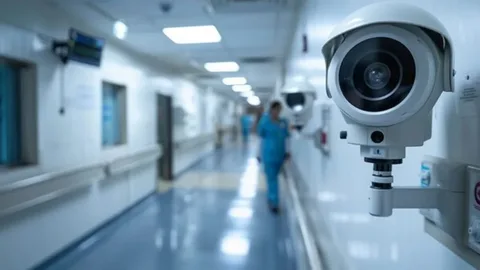
Hospitals tackle life and death circumstances every day. A single safety gap can put patient roles, staff and visitors at danger. That is why more health care services are revolving to a dependable hospital security camera system to guard their locations around the clock.
An up-to-date hospital surveillance system does more than record tape. It aids staff reply faster to crises, prevents theft and preserves entry points safe. With hospital patient video monitoring, nurses and doctors can possess an eye on high risk patients even when they step away from the bedside.
In this document, we will enlighten how a patient video monitoring system works, why it staples for patient care, and what structures hospitals should look for formerly selecting one. If you accomplish a healthcare facility and want fewer incidents and improved peace of mind, keep reading to see how the correct setup can make a real change.
What Is a Hospital Surveillance System?
A hospital surveillance system is a system of cameras, devices and monitoring gears used to watch over healthcare assistance. It covers entries, corridors, divisions, car parks and other key zones.
The goal line is simple. Keep patients secure, protect staff and break incidents before they intensify.
Many people undertake hospital cameras are only there to clasp theft. That’s only part of the image. A modern hospital security camera system also cares emergency response, aids with staff security and gives organization clear sign when to some degree goes wrong.
For people visiting a loved one, knowing a hospital takes safety utterly builds trust. That trust matters just as much as medical maintenance.
Why Hospitals Need a Hospital Security Camera System
Hospitals run all day and night. Staff change shifts, visitors come and go, and vulnerable patients are often left alone for short periods. This creates gaps that a well placed hospital security camera system can close.
Here’s why this matters:
● Emergency rooms often deal with distressed patients and visitors, so tension can rise quickly.
● Unauthorised access to medicine stores or equipment rooms is a genuine risk.
● Slips, falls and medical emergencies in corridors need fast staff response.
● Newborn units and paediatric wards require extra layers of protection.
A camera system doesn’t replace staff. It supports them. When a nurse cannot be in two places at once, cameras act as an extra set of eyes.
Common Areas That Need Coverage
Most USA hospitals prioritise these zones first:
● Main entrances and reception
● Accident and emergency waiting areas
● Car parks and loading bays
● Medicine and equipment storage
● Maternity and paediatric wards
● Corridors linking wards to exits
Covering these areas reduces blind spots and gives security teams a complete view of daily activity.
How Hospital Patient Video Monitoring Works
Hospital patient video monitoring is slightly different from general security cameras. It focuses directly on individual patients who need closer observation.
This might include:
● Patients at risk of falling
● Those recovering from surgery
● Patients with confusion or dementia
● People at risk of self-harm
Cameras are positioned in the room or bay, and film is observed either by staff on the region or by a devoted monitoring team somewhere else in the house.
Real-Time Monitoring Versus Recorded Footage
There are two main methods.
Real-time monitoring means an operator watches live film and can act directly if something looks incorrect. This is common for risky patients.
Documented films is kept and go over later, usually for event reports or maintenance checks. Many hospitals practice both, depending on the region and patient requirements.
Understanding this alteration matters because it marks staffing, cost and how rapidly someone can reply in an emergency.
Choosing the Right Patient Video Monitoring System
Not every patient video monitoring system works the same way, and picking the wrong one can leave gaps in care.
Here’s what genuinely makes a difference.
Features Worth Checking
● Live alerts: The system should flag unusual movement, such as a patient trying to get out of bed unassisted.
● Two-way audio: Staff can speak directly to the patient without entering the room straight away.
● Privacy controls: Footage should only be accessible to authorised staff, in line with NHS data protection standards.
● Night vision clarity: Poor lighting shouldn’t reduce visibility.
● Integration with nurse call systems: Alerts should reach the right team quickly.
Facilities often overlook privacy controls, assuming any monitoring software is compliant. It isn’t always. Always check that footage storage meets USA GDPR and NHS data governance rules.
Common Mistakes Hospitals Make
A few mistakes come up repeatedly:
● Installing cameras but not training staff on how to respond to alerts.
● Choosing budget systems with poor night vision, which is a problem overnight when incidents peak.
● Ignoring blind spots created by equipment or furniture.
● Failing to review footage retention policies regularly.
These mistakes are avoidable. Most come down to rushing the planning stage rather than reviewing needs properly first.
What to Check Before Installing a Hospital Surveillance System
Before choosing a provider, ask these questions.
Does the system scale? Hospitals grow, add wards, or change layouts. Your hospital surveillance system should be able to expand without a full reinstall.
Is support available locally? Downtime in a hospital setting isn’t just inconvenient, it can be a safety issue. Look for providers offering fast response times.
Can staff use it without heavy training? Complicated interfaces slow down response during emergencies. Simplicity saves time.
Does it meet clinical and legal standards? This includes CQC expectations around patient dignity and privacy, alongside general security requirements.
Getting clear answers here prevents costly changes later.
Building a Safer Hospital Environment
Patient safety depends on more than clinical skill alone. A properly planned hospital security camera system, combined with reliable hospital patient video monitoring, gives staff the tools they need to respond quickly and protect the people in their care.
The right patient video monitoring system doesn’t just record incidents. It helps prevent them.
If you’re reviewing security for your facility, start by mapping out high-risk areas, checking current blind spots, and speaking with a provider who understands healthcare environments specifically. A generic security setup won’t cover the unique demands of a hospital.
Getting this right protects patients, supports staff, and strengthens trust in your facility.
Making Patient Safety a Daily Priority, Not an Afterthought
Patient safety improves the moment a hospital treats security as part of everyday care, not a separate concern. A well designed hospital surveillance system gives staff real visibility across wards, corridors and high-risk areas, so problems get spotted before they turn into incidents.
This matters in practice because busy shifts and short-staffed wards make constant supervision difficult. Hospital patient video monitoring fills that gap, keeping vulnerable patients safer without adding pressure to already stretched teams.
If you’re comparing options, focus on providers who understand healthcare settings specifically. A strong hospital security camera system paired with a reliable patient video monitoring system should offer clear footage, fast alerts and proper compliance with USA data standards.
The next step is straightforward. Review your current blind spots, then speak to a specialist who can assess your facility properly before recommending a setup.
FAQ
Frequently asked questions
A virtual assistant is a remote professional who handles tasks that don’t necessarily need to be done by you. They can manage emails, schedule meetings, handle customer inquiries, manage social media, bookkeeping, project coordination, and other administrative work to free up your time for high-impact activities.
- Crystal Clear High Definition Video Surveillance
- Seamless Real Time Remote Monitoring
- Expansive Wide Angle Security Coverage
A hospital surveillance system covers the whole building. A patient video monitoring system focuses on individual at-risk patients.
Not when set up correctly. An appropriate hospital security camera system tracks USA GDPR and NHS data instructions.
Entries, A&E, medicine stores, maternity wards and chief corridors use most from reliable reporting.
No, it cares staff by adding an additional layer of opinion, not swapping hands-on care.
Check scalability, local support, night vision quality and full compliance with CQC and data protection standards.