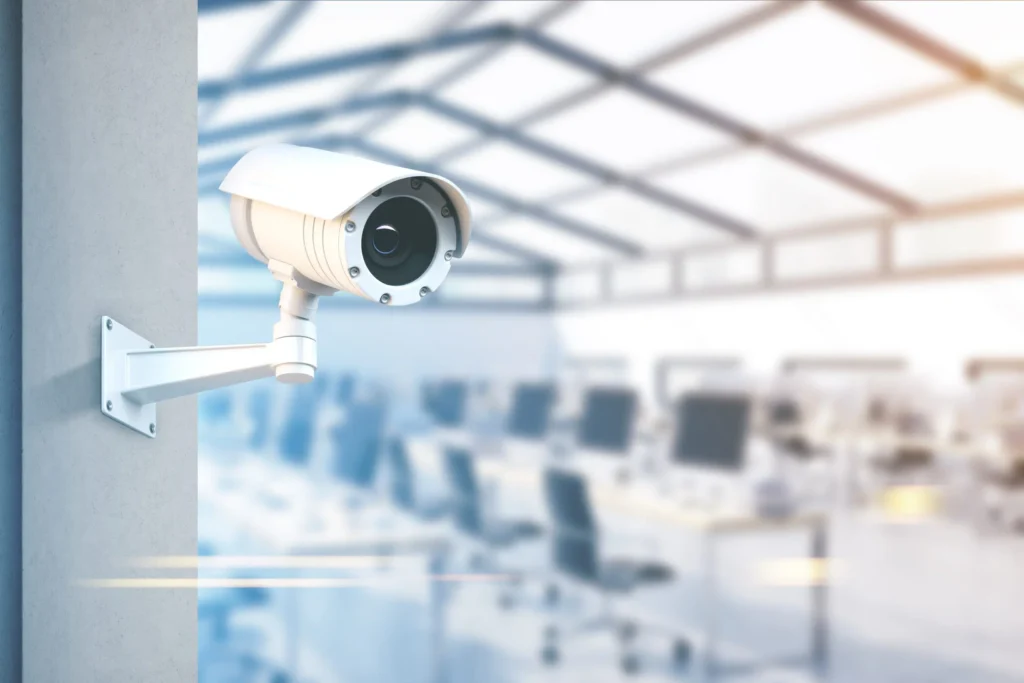
Most offices have corporate surveillance systems. But having cameras and having a proper corporate surveillance system are two very diverse possessions.
One blind spot, old recorder or poorly placed lens can leave your whole workplace vulnerable. For organizations that primarily manage private data, resources, or personnel, this is a threat that silently accumulates until something goes incorrect.
Corporate surveillance systems today do far more than record videotape. Modern corporate video surveillance systems participate access control, real-time alerts, and AI-powered monitoring into one combined layer of safety. Whether you are managing a only office or several sites, the right corporate security camera systems can stop incidents before they intensify.
This guide covers how progressive corporate surveillance services work, what structures actually matter for office surroundings, and how to select a setup that fits your corporate size and safety goals.
What Corporate Surveillance Systems Actually Do
Many dealings treat safety cameras as a box-ticking exercise. A few cameras near the arrival, maybe one in the car park, and that is measured sufficiently. In reality, that approach leaves important breaches.
Corporate surveillance systems are intended to give industries complete prominence over their sites. They do not just record what occurs. They aid you comprehend patterns, respond to events faster, and defend your staff, assets, and data around the clock.
An elegant organization covers every critical region, functions continuously, and integrates with other safety layers such as contact control and alarm systems. That is what splits an expert setup from a basic consumer connection.
The Core Components of Corporate Video Surveillance Systems
Getting what suits into corporate video surveillance systems aids you make better choices when assessing options.
Here are the key mechanisms every business should know:
Cameras: Modern corporate security camera systems use high-definition IP cameras. These deliver far sharper footage than older analogue models. Many now include features like wide dynamic range, which helps capture clear images even in mixed lighting conditions.
Recording Infrastructure: Film is kept either on a local NVR (Network Video Recorder) or in a cloud-based structure. Cloud storage bids easier remote contact and decreases the risk of losing shots if hardware is spoiled on-site.
Video Management Software (VMS): This is the resistor layer. It lets safety teams view live feeds, review recorded film, set alerts, and be able to multiple camera sites from a single dash.
Analytics and AI Features: Advanced corporate surveillance services now include intelligent video analytics. These can notice unusual measure, identify tailgating at entry points, count possession in real time, and flag specific behaviours mechanically.
Each component matters. A high-quality camera paired with poor software is still a weak system.
Why Basic CCTV Is No Longer Enough for Office Surroundings
Standard CCTV was built for simple monitoring. Corporate offices have far more complex needs. Consider a mid-sized workplace with several floors, server accommodations, reception areas, and car parks. A few of cameras cannot sufficiently cover that situation. And if those cameras are not combined with access logs or alarm inductions, security teams are left reacting rather than stopping.
Corporate surveillance services address this by constructing systems that work together. When a door is undone outside working hours, the structure does not just log it. It can trigger an alert, lock down an extent, and capture film from every nearby camera at the same time.
That kind of synchronized response is only conceivable with purpose-built corporate surveillance systems. Basic CCTV just cannot carry it.
Types of Corporate Security Camera Systems Worth Knowing
Not every camera get-ups every setting. Here is a hands-on breakdown.
Fixed Cameras: Best for monitoring specific high-value areas like server rooms, cash handling zones, or reception desks. They offer consistent coverage of a defined area.
PTZ Cameras (Pan-Tilt-Zoom): These can rotate and zoom remotely. Security personnel can track movement across a wide area without needing multiple fixed units in the same space.
Dome Cameras: Common in office ceilings. They are discreet, vandal-resistant, and offer a wide field of view. Most visitors and staff will not notice them, which keeps the environment professional.
Thermal Cameras: Used in restricted or high-security zones. They detect heat signatures rather than visible light, making them effective in low-light or outdoor settings.
Body-Worn Cameras: Increasingly used by on-site security staff. They provide a first-person record of incidents and often deter confrontational behaviour.
Choosing the right camera type for each area is one of the most important decisions in setting up corporate video surveillance systems.
Common Mistakes Businesses Make with Corporate Surveillance
Even well-resourced organizations make unavoidable errors when implementing corporate surveillance systems.
Selecting systems on price alone: Often the cheaper systems don’t provide the resolution, storage or integration features that make surveillance truly useful. A blurry footage system is almost worthless in a legal or insurance setting.
Ignoring blind spots: Every camera has a field of view. Without a proper site survey, gaps appear in coverage. Experienced corporate surveillance services conduct detailed mapping before installation begins.
Neglecting data privacy compliance: In the USA, corporate security camera systems must comply with GDPR and the Protection of Freedoms Act 2012. Staff must be informed about surveillance. Footage must be stored securely and only retained for as long as necessary. Failing to follow these rules carries real legal risk.
Skipping regular maintenance: Cameras shift. Lenses get dirty. Firmware goes out of date. Many businesses install corporate video surveillance systems and then forget about them until something goes wrong.
What Advanced Corporate Surveillance Services Include
Premium corporate surveillance services go well beyond hardware supply and installation. Here is what a comprehensive service typically covers.
- Site assessment and camera placement planning
- Integration with existing access control and alarm systems
- Remote monitoring by trained security operators
- Regular system health checks and firmware updates
- Incident reporting and footage retrieval support
- Scalable storage management for long-term footage retention
Businesses with multiple sites particularly benefit from managed corporate surveillance services. A central monitoring team can oversee all locations from one place, with consistent protocols across every site.
How to Evaluate Corporate Security Camera Systems Before You Commit
Before choosing a provider, ask the right questions.
What resolution do the cameras support? For facial recognition or licence plate capture, you need at least 4MP. Higher resolution matters when footage is used as legal evidence.
How is footage stored and for how long? Understand whether storage is local, cloud-based, or hybrid. Know the retention period and whether it meets your industry requirements.
Can the system scale? Your needs may grow. Corporate video surveillance systems should allow you to add cameras and locations without replacing the entire infrastructure.
Is remote access included? Being able to check live feeds and review footage from anywhere is now a standard expectation, not a premium feature.
What happens during a system fault? Ask how outages are handled, what backup options exist, and what the response time is for technical support.
Making the Correct Choice for Your Office Security
Progressive corporate surveillance systems are an asset in working stability. They reduce theft, deter misconduct, backing HR investigations, and deliver documented evidence when disputes arise.
The trades that benefit most are those that treat scrutiny as part of a wider security policy rather than a impartial purchase. When corporate security camera systems are properly combined, monitored, and kept, they quietly do their job every single day.
If your contemporary arrangement feels outdated or imperfect, this is the correct time to review it. Speak with an expert in corporate surveillance services who can gauge your site, classify gaps, and approve a system constructed around your concrete setting rather than a basic package.
The goal is not more cameras. The goal is the right Corporate video surveillance systems, in the right places, connected to the correct system.
Conclusion
Office security is not something to take casually. The correct corporate surveillance systems do more than record footage. They guard your staaf, reduce risk, and give your corporate the sign it needs when something goes wrong.
Corporate video surveillance systems have moved well beyond basic CCTV. With AI analytics, remote monitoring, and all-in-one integration, modern corporate security camera systems are built to grip the difficulties of today’s workplace.
The key is selecting corporate surveillance services that comprehend your specific atmosphere. A system calculated around your office layout, your team size, and your risk areas will always outdo a generic off-the-shelf outcome.
Hence, if your current setup has holes, now is the right time to discourse them. Get an expert site assessment, ask about your concerns, and invest in a right system that works quietly and dependably every single day.
FAQ
Frequently asked questions
A virtual assistant is a remote professional who handles tasks that don’t necessarily need to be done by you. They can manage emails, schedule meetings, handle customer inquiries, manage social media, bookkeeping, project coordination, and other administrative work to free up your time for high-impact activities.
- Crystal Clear High Definition Video Surveillance
- Seamless Real Time Remote Monitoring
- Expansive Wide Angle Security Coverage
Typical CCTV archives footage from a fixed set of cameras. Corporate surveillance systems go further. They participate cameras, access control, real-time alerts, and video analytics into one associated setup. This gives industries far better control and faster reply to security incidents.
Yes, but they must obey with USA law. Under GDPR and the Protection of Freedoms Act 2012, workers must be knowledgeable that surveillance is in place. Footage must be kept strongly and deleted once it is no longer wanted. Working with specialized corporate surveillance services safeguards your system stays fully acquiescent.
Costs vary liable on the size of your sites, the number of cameras, storage supplies, and whether you take in remote monitoring. A small office setup can start from a few pounds. Larger multi-site corporate surveillance systems with accomplished services will cost significantly more. Always request a site-specific quotation rather than trusting on typical pricing.
Retaining periods hinge on on your business, legal responsibilities, and storage capacity. Most businesses keep tape for 30 to 90 days. High-security surroundings may retain it longer. A trustworthy provider of corporate surveillance assistance will assist you set a retention policy that encounters your legal and working requirements.
Yes. Most recent corporate video surveillance systems consist of remote access as a usual feature. Security executives can view live provender, review recorded film, and receive real-time warnings from any place using a secure app or web portal. This is mainly useful for businesses handling multiple office sites.