Running a business these days isn’t what it used to be. Security threats have evolved, and honestly, they’re more sophisticated than ever. Whether you’ve got a small storefront downtown or you’re juggling several office locations, figuring out how to keep everything secure is probably on your mind more than you’d like. That’s where access control management comes into play, and trust me, it’s worth understanding. It’s basically like trading in your old fashioned keys for a smart system that actually knows who’s walking through your doors and when. This approach gives you real peace of mind, whether you’re sitting at your desk or enjoying a vacation halfway across the world. If you’re just starting to look into access control management or you’re thinking it might be time to upgrade what you’ve already got, stick around. We’re going to break down everything you need to know to make a smart decision for your business.
Breaking Down Access Control Management
So what exactly is access control management anyway? I know it sounds kind of techy, but honestly, it’s a simple idea. You’re basically controlling who gets to come into your building, what time they can show up, and which rooms or areas they’re allowed into. Sure, keeping unwanted people out is part of it, but there’s a lot more to it than that.
Here’s how I like to think about it. You wouldn’t hand out keys to your office safe to just anyone on your team, right? Well, access control management works the same way, just with way more bells and whistles. Modern access control management systems are kind of like having this incredibly alert security guard who never needs a coffee break, never forgets a face, and writes down every single thing that happens. And all those records? They come in way handier than most people realize.
What’s Actually Happening When These Systems Work
When you see access control management systems in action today, they’re honestly pretty impressive once you get what’s going on underneath. There are a few key pieces doing their thing together, and it’s really not as confusing as it might seem at first.
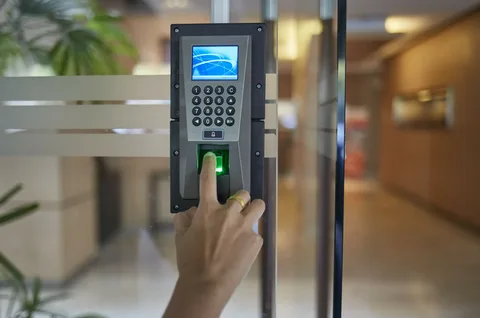
You’ve got the reader sitting by your door. Maybe it’s scanning cards, reading fingerprints, punching in codes, or even doing facial recognition if you’re going all out. That reader talks to an electronic lock that’s actually keeping the door secure. Behind everything, there’s software pulling it all together, plus a dashboard that shows you what’s happening across every location you’ve got, right this second.
What really gets me about these modern systems is how flexible they are. Like, a little coffee shop downtown might use mobile access control systems where the baristas just tap their phones to get in. No cards floating around to lose, no key fobs ending up in the laundry. On the flip side, some huge corporate building might have building access control handling literally everything from the parking garage all the way up to the corner office, and it all just works together like clockwork.
What Professional Access Control Services Really Mean
When you hire professionals for access control services, you’re getting way more than just somebody showing up to install equipment. Installing stuff is actually the straightforward part. The real value comes from good access control management services that take time to actually understand your business and what keeps you up at night security wise.
They’ll actually walk through your space, ask real questions about how your day to day operations work, and point out security problems you probably never even noticed. Then they put together something that fits with how you actually run things. Quality access control system services take care of the whole picture, from the initial planning through installation, making sure your team knows how to use everything, and sticking around when you inevitably have questions or issues later.
The really good access control security services see this as building a relationship, not just completing a project and disappearing. Your business changes over time. You grow, you add new locations, maybe how you operate shifts completely. Your security setup should be able to grow and change right along with you.
Controlling Your Security from Anywhere
This part honestly blows my mind a little. With remote access control management, you can handle your entire security system from your phone or laptop, literally wherever you happen to be. Let me paint you a picture of how this works in real life.
Say it’s Sunday night and you’re relaxing at home. You get a call from one of your key suppliers saying they need to drop off a big delivery super early Monday morning, way before you normally get to the office. Instead of dragging yourself in at some ridiculous hour or doing something sketchy like leaving a door unlocked overnight, you just grab your phone and set up a temporary access code. They show up, bring in what you need, the system tracks everything that happened, and then that code stops working on its own.
Or imagine this. You’re finally taking that vacation you’ve been putting off forever, and you get a message saying someone on your team lost their access card. Instead of stressing about it for your entire trip, you pull out your phone and kill that credential in maybe half a minute. Sure, the convenience is great, but what really matters is you can deal with security stuff right away, whether you’re in the office or lounging on some beach somewhere.
Why Mixing Surveillance with Access Control Makes Sense
The really smart security setups bring access control surveillance together into one system. Here’s why that actually matters when you’re running a business day to day.
When somebody swipes their badge to get into your building at midnight, the system isn’t just popping the door open. It’s automatically firing up the video camera at that entrance, connecting the footage to that exact person’s badge, and marking down the precise time. If something goes missing later or something weird happens, you’ve got the full story of who was where and exactly when.
But you know what the real benefit is? It keeps everybody honest. When your team knows that the access system and cameras are talking to each other, people naturally stick to the rules better. It’s just how people work.
Security That Works for Businesses of Any Size
There’s this myth going around that real security access control is only for massive companies swimming in cash. That’s just not true, and honestly, I wish more people knew that. Access control for small businesses has gotten way more affordable and practical than most folks realize.
You can actually get a decent basic system going for just a few hundred bucks. I’m serious. And for what most small businesses actually need day to day, it works great. Lots of small business owners are going with mobile access control systems where their employees literally just use their own phones to get in. No plastic cards that get lost or forgotten, no little key fobs that break or disappear.
Here’s the part that’s really clever though. These systems can grow with you. When you bring on more people or open up a second location, you’re not ripping everything out and starting from scratch. You just build on what’s already there. New doors, more users, even whole new buildings just connect into what you’ve got going already.
Why Having People Watch Your System Matters
Access control monitoring services put actual human beings on watch over your automated system. Real security professionals are keeping an eye on things day and night, and they jump in when something doesn’t look right.
Picture somebody trying to get into a restricted area at 2 in the morning. The access control service pings the monitoring team right away. They can figure out what’s actually happening, check if it’s supposed to be happening, and do something about it if needed. Maybe it’s just somebody working late whose temporary access ran out and they forgot. Or maybe it’s something way more serious that needs cops showing up.
Having that human touch catches the weird edge cases that computers might miss. It also seriously cuts down on those annoying false alarms that end up wasting everybody’s time and energy. You get the best of both worlds, smart technology working alongside people who actually know what they’re doing.
Finding a Provider That’s Right for You
Here’s the thing, not every access control service provider is going to be a good match for what you need. You want to find somebody who gets businesses like yours and can actually explain things in normal language instead of drowning you in tech speak.
Watch out for pricing that’s actually transparent with no sneaky fees hidden in the small print. Make sure they’ve got real support available when you actually need help, not just Monday through Friday during business hours when you’re already swamped. Hit them with the tough questions right from the start. Is their system going to play nice with the security cameras you already have? What happens down the road when you want to add more? What’s their game plan if something breaks or stops working?
And here’s something people skip way too often. Get references from businesses that are similar to yours in size and what you do. Then actually pick up the phone and call them. Having a real conversation with somebody who’s been using the system for a while will tell you so much more than listening to a polished sales presentation ever will.
Getting Your System Set Up Right
Getting access control systems installed the right way takes some actual planning on the front end. Don’t just wing it and hope for the best. Start by really mapping out your whole facility and thinking about how people actually move through your space on a typical day.
Which doors really need electronic access and which ones are totally fine staying as regular mechanical locks? Who actually needs to get into which areas? Should those access rules change depending on what time it is or what day of the week it is? Like, does somebody working in your warehouse really need access to where you keep all your financial records? Probably not, right?
You’re also going to want clear cut policies around managing credentials. How fast do lost cards get shut off in the system? What’s the process for giving temporary access to contractors, vendors, or people visiting? And here’s the thing, don’t just show your team how to wave their badge at the reader. Take the time to help them understand why all these security steps actually matter. When people understand the why behind the rules, they’re way more likely to actually follow them without cutting corners.
Where Access Control Technology Is Headed
The technology just keeps getting better and cheaper at the same time. Biometric readers are getting really reliable now. Artificial intelligence is getting better at catching suspicious patterns before they turn into actual problems. Mobile access control systems are really exploding because they’re actually more secure than old school cards and they’re way easier to deal with.
More and more businesses are ditching physical badges completely and switching to encrypted access through smartphones. You can’t just copy somebody’s phone the way you used to be able to clone an access card. And if somebody loses their phone or it gets stolen, you can kill their access immediately from wherever you are.
The industry’s also finally getting serious about cybersecurity. As these access control systems hook into your network and start living in the cloud, keeping the digital side locked down is just as important as keeping your physical doors secure. The good providers are putting in real encryption, making people verify themselves multiple ways, and running regular security checks to make sure everything stays buttoned up tight.
Making Your Call
Whether you’re looking at basic access control for small businesses or you need something more enterprise level like secure access control solutions, keep in mind you’re protecting way more than just physical things. You’re protecting the people who work for you, your sensitive information, your business reputation, and honestly, your own sanity and ability to actually sleep at night.
Get started by having real security professionals come do an assessment so you know where you’re actually vulnerable. Get quotes from several different providers of access control management services and really compare them. Don’t just look at who’s cheapest. Think about how good their support actually is, what the system can really do, and how easy it’s going to be to upgrade or expand things later when you need to.
The right system should feel natural and easy to use while still giving you serious protection. If it’s complicated or annoying to deal with, people won’t use it the way they’re supposed to, and then what was even the point of getting it?
Wrapping This Up
Security shouldn’t just be another expense you’re trying to minimize on your spreadsheet. It’s actually an investment in keeping your business running smoothly and protecting everything you’ve built and worked hard for. Good access control management sits quietly in the background, adjusts to whatever you need, and gives you the protection and peace of mind you need to focus on the stuff that actually matters.
When you really think about it, your job is running your business well and taking care of your customers. Let access control management take care of the security piece so you can focus on doing what you’re best at without constantly wondering who’s getting into your building or whether you remembered to lock everything up properly. That’s what good security should actually feel like. You barely notice it when everything’s working right, but it’s absolutely invaluable when you really need it.
FAQ
Frequently asked questions
A virtual assistant is a remote professional who handles tasks that don’t necessarily need to be done by you. They can manage emails, schedule meetings, handle customer inquiries, manage social media, bookkeeping, project coordination, and other administrative work to free up your time for high-impact activities.
- Crystal Clear High Definition Video Surveillance
- Seamless Real Time Remote Monitoring
- Expansive Wide Angle Security Coverage
Access control management is a security system that controls who can enter your building, specific rooms, or areas and when they’re allowed to do so. It uses credentials like key cards, mobile apps, PIN codes, or biometrics to verify identity and logs every access event in real time.
Yes. Modern access control management systems allow you to add or remove users, issue temporary access, and monitor activity from anywhere using a smartphone or computer. This is especially useful for multi-location businesses and business owners who travel often.
Not at all. Access control for small businesses is more affordable than ever. Many systems are cloud-based and mobile-enabled, making them ideal for shops, offices, and startups that want better security without high upfront costs.
Access control and surveillance systems can work together to create a complete security solution. When someone enters a secured area, the system can automatically trigger video recording and link footage to access logs, giving you a full record of who accessed what and when.
Yes. Active video surveillance monitoring allows security professionals to detect suspicious behavior early and intervene immediately through live audio warnings, alerts, or police dispatch—often stopping incidents before damage occurs.